Will This Bring a New Era of Authentic Cultural Tourism on the Nile?
On 6 October 2025, the world witnessed a moment of profound symbolism. For the first time, an Egyptian was elected Director-General of UNESCO.
Khaled El-Anany — once a young guide among the timeless stones of Giza — now leads the international organisation responsible for protecting humanity’s cultural and natural heritage.
Only a few months earlier, in January 2025, he had been appointed Rapporteur of the African World Heritage Fund, reflecting the continent’s confidence in his vision for safeguarding heritage for future generations.¹
Egypt, Guardian of the Flame of Human Memory
This achievement is more than a personal success. It represents global recognition of Egypt’s unique role as the cradle of one of the world’s oldest continuous civilisations.
Across millennia, Egypt has preserved an extraordinary cultural legacy along the Nile — temples, tombs, language, art, and traditions that continue to shape human understanding of history itself.
While other ancient cultural centres, including parts of Mesopotamia, have suffered devastating losses through war and instability, Egypt has retained a remarkable continuity of heritage.
The rediscovery of ancient Egypt by European scholars during Napoleon Bonaparte’s expedition in 1799 — including the Rosetta Stone — reignited global fascination and laid the foundations of modern Egyptology. From that moment onward, the Nile returned to the centre of humanity’s historical consciousness.
Today, Egypt remains a bridge between past and present, where heritage is not only preserved in monuments but lived daily through culture, crafts, and community life.
Protecting this legacy is not solely an Egyptian responsibility. Cultural heritage belongs to humanity as a whole. Once destroyed, it cannot be replaced.
Recent conflicts in the Middle East have shown how fragile our shared historical memory can be. Libraries, archaeological sites, and monuments have been lost forever. The preservation of Egypt’s heritage therefore carries global significance.
A Turning Point for Cultural Tourism in Egypt?
This historic moment also raises an important question.
Could new international leadership help reshape the future of tourism in Egypt?
Egypt does not need more tourists. It needs conscious travellers — visitors who seek understanding, connection, and respect for culture rather than rapid consumption of monuments.
For decades, mass tourism on the Nile has been dominated by large cruise ships with tight schedules and heavy environmental impact. Noise, pollution, and overcrowding can diminish the very atmosphere that makes Egypt extraordinary.
Authentic cultural tourism offers another path.
Travel experiences that move slowly along the river, in harmony with nature and local communities, allow visitors to engage more deeply with Egypt’s history and living traditions.
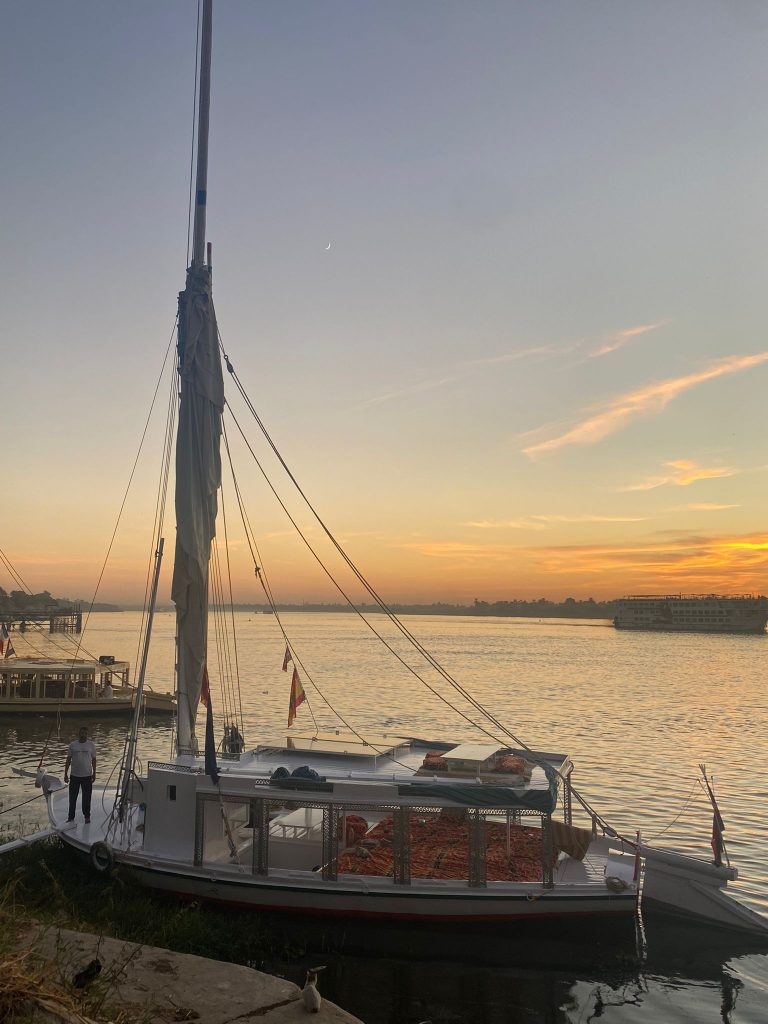
The real Egypt is not found in hurried itineraries. It is experienced in the silence of sunset on the Nile, in Nubian villages, in conversations with local families, and in the rhythm of the river itself.
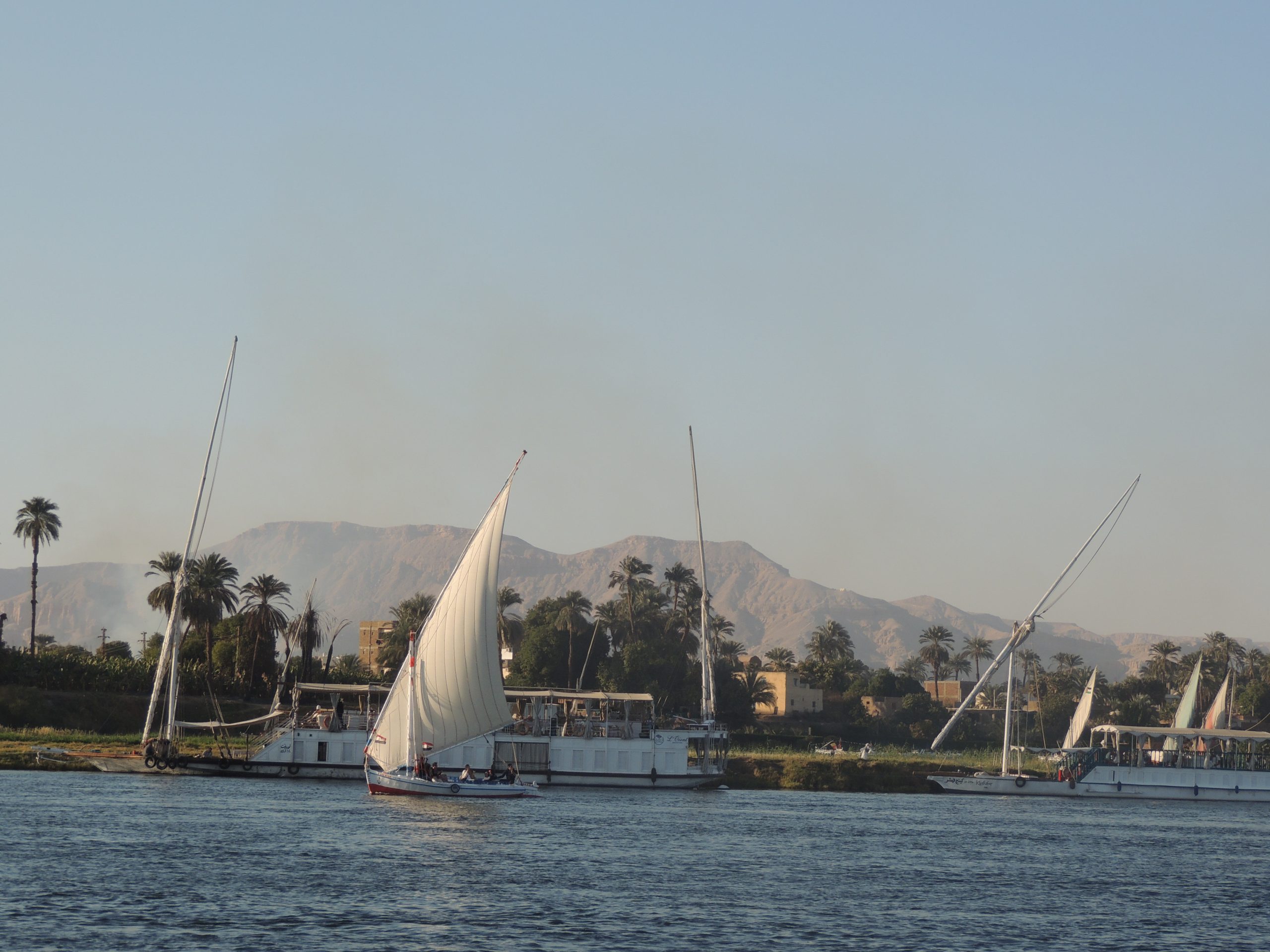
Traditional sailing journeys — whether on a felucca or a dahabiya — reconnect travellers with this timeless dimension.
Sailing the Nile — The Living Experience of Heritage
The most meaningful way to experience Egypt’s heritage is not simply by visiting monuments, but by travelling between them.
Sailing from Aswan to Luxor on a traditional Nile boat allows visitors to witness landscapes, temples, and daily life as travellers have done for centuries.
The Nile becomes more than a river. It becomes a teacher.
Empires have risen and fallen along its banks, yet Egypt’s cultural identity continues to flow forward — resilient, creative, and alive.
This is the spirit behind EgyptDiscovering.
Through small-scale Nile journeys guided by local expertise and respect for culture, travellers can experience Egypt beyond tourism — as a living civilisation.
A New Renaissance of Authentic Travel?
Perhaps this new chapter at UNESCO will encourage a global shift toward sustainable and culturally respectful tourism.
Heritage is not only what we preserve in stone. It is what we experience, protect, and share.
Egypt invites the world not to consume history, but to connect with it.
And the Nile continues to flow — patient, eternal, and ready to reveal its stories.
Sail slowly. Travel deeply. Discover Egypt.Egypt, Guardian of the Flame of Human Memory