Contact me via WhatsApp Chat with Catalina on WhatsApp

Category: Egypt Travel Tips & Practical Information

  • The Green Circles of the Sahara

    The Green Circles of the Sahara

    Egypt’s Attempt to Conquer the Desert

    Before the Desert

    Ten thousand years ago the landscapes surrounding today’s Lake Nasser and the Western Desert looked profoundly different from what we see now.

    Large parts of the Sahara were not desert at all. They were savannahs, lakes and seasonal rivers. Rock art discovered across southern Egypt, Sudan and Libya shows animals that feel almost impossible in the modern Sahara: elephants, giraffes, lions and large herds of cattle. Crocodiles lived in lakes scattered across the region.

    Scientists refer to this era as the African Humid Period, when stronger monsoon systems brought far more rainfall into North Africa. What we now call the Sahara was then a vast ecological corridor where animals and humans could live far from the Nile.

    Over thousands of years the climate slowly changed. Subtle shifts in Earth’s orbital cycles altered rainfall patterns. The monsoons weakened, lakes dried, vegetation disappeared, and the Sahara gradually transformed into the immense desert we know today.

    Human populations migrated toward the one reliable artery of water that remained.

    The Nile.

    It was along this narrow ribbon of fertility that Egyptian civilisation emerged and endured for more than three millennia, surrounded by expanding seas of sand.

    As explored in The Nile: The River That Created Egypt, the river shaped not only agriculture but the entire geography of Egyptian civilisation.

    The Memory Still Exists in the Desert

    The ancient green Sahara is not only a theory of climate science. Its traces still exist on the ground.

    In the remote expanses of Egypt’s Western Desert, particularly in Al-Wadi Al-Gadid near the Libyan border, archaeological remains reveal that people once lived far from the Nile. Stone tools, fragments of early settlements and other traces can still be found by those patient enough to explore the landscape.

    I have seen this myself while travelling through that region. Standing in those silent deserts, where the wind moves across endless sand and rock, it becomes easier to imagine that this landscape once supported life very differently from today.

    The Sahara carries a long memory beneath its surface.

    New Water, New Civilisations

    When the climate became drier, Egypt’s entire civilisation concentrated along the Nile valley. The river’s annual flood provided the water and fertile soil that sustained agriculture and population.

    Centuries later, in the 7th century, the Arab world brought new irrigation techniques to Egypt. Water wheels, canals and improved hydraulic systems expanded agricultural production and allowed cultivation to spread beyond the natural floodplain in some regions.

    Yet even then the desert itself remained largely unconquered.

    The Nile valley continued to define the limits of life in Egypt.

    The Twenty-First Century Experiment

    Today Egypt is attempting something far more ambitious.

    Modern engineering, drilling technology and large irrigation systems are pushing agriculture into landscapes that for thousands of years remained entirely barren.

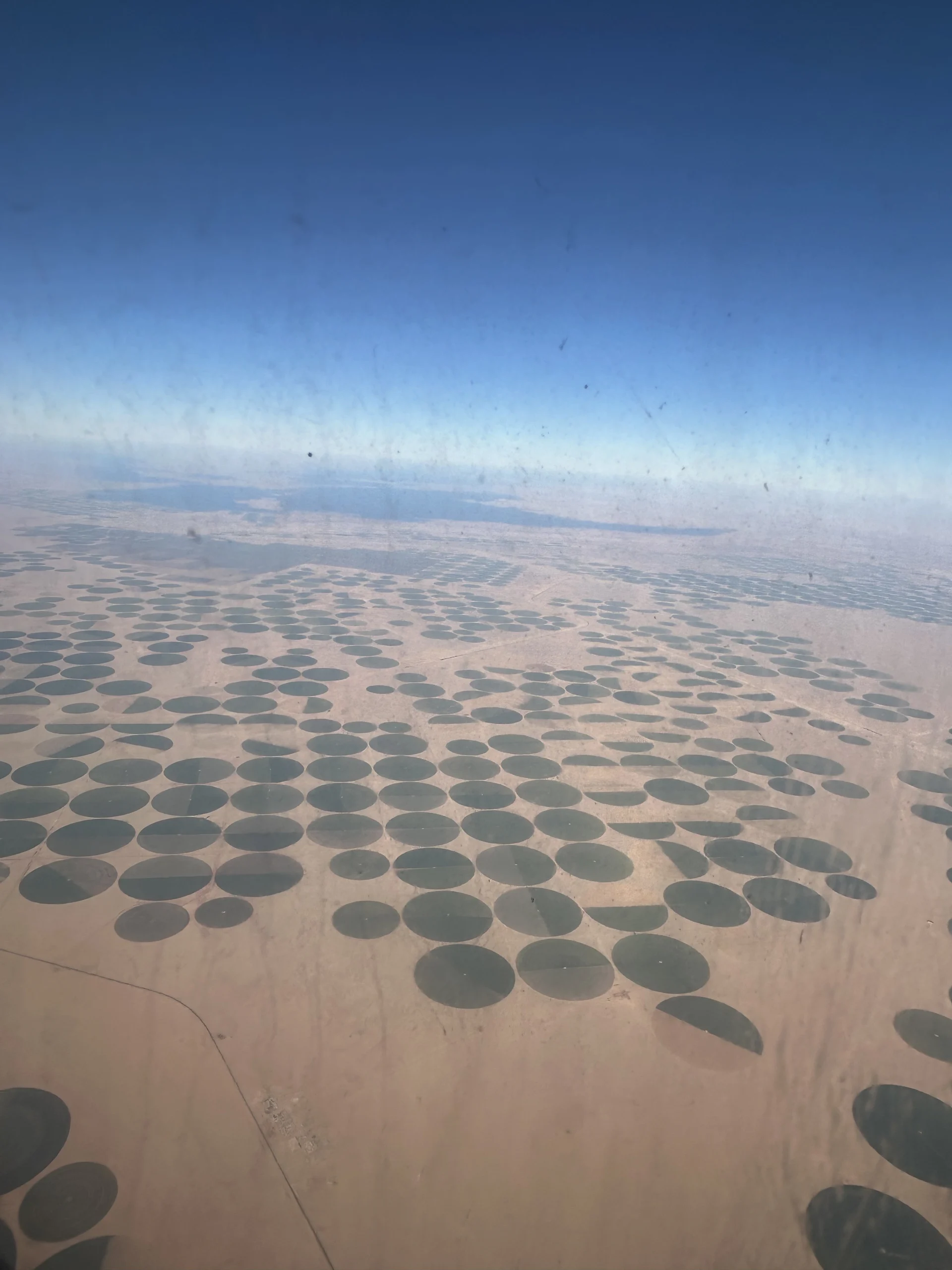
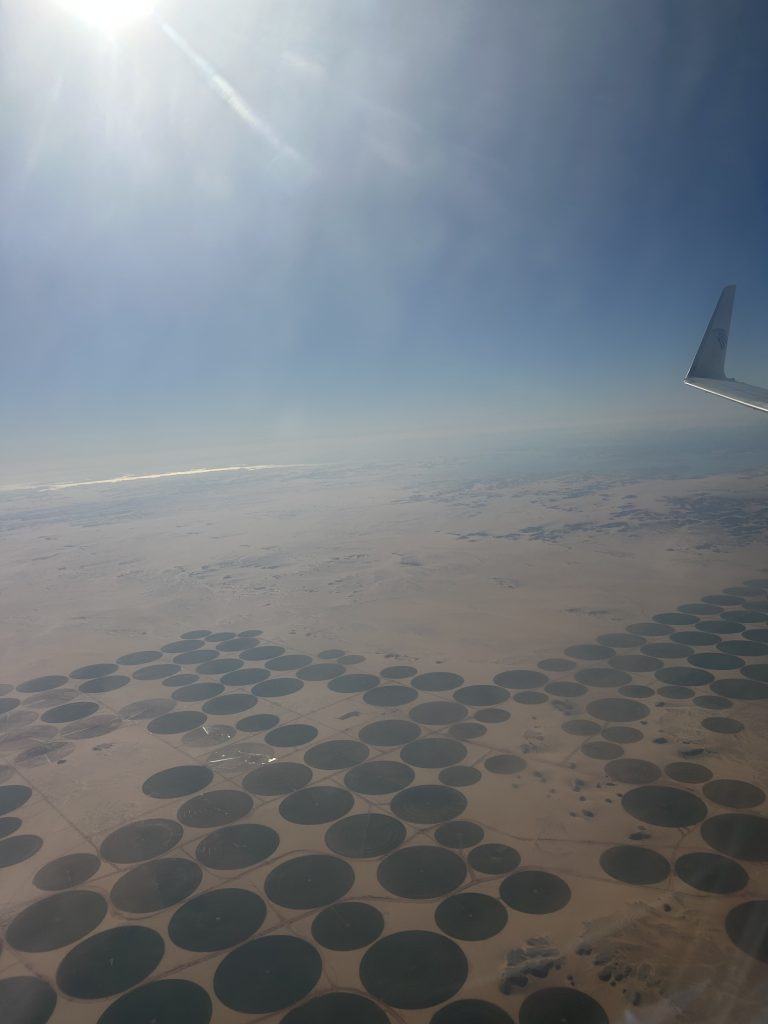
    Flying south over Egypt toward Abu Simbel, the desert stretches endlessly beneath the aircraft.

    Travellers visiting this region during Nile journeys through Upper Egypt, often discover how dramatically the landscape shifts from fertile riverbanks to vast desert.

    The green ribbon of the Nile has long disappeared. Only sand, rock and silence fill the horizon.

    And then, suddenly, something unexpected appears.

    Perfect green circles scattered across the desert.

    These circles are created by center-pivot irrigation systems, large rotating arms that distribute water around a central well. As the irrigation arm slowly turns, it waters crops in a perfect circle, producing the unmistakable geometric patterns visible from the air and even from satellites.

    Each circle may cover dozens of hectares of farmland.

    From the window of an airplane they look like coins placed carefully on the surface of the Sahara.
    The Engineering Behind the Circles

    Some of these farms rely on deep groundwater reserves such as the Nubian Sandstone Aquifer, one of the largest underground freshwater systems on Earth. Much of this water accumulated thousands of years ago when the Sahara was still a wetter landscape.

    But Egypt is also experimenting with something even more ambitious.

    In several regions, the government is pumping Nile water into the desert itself, extending canals and pipelines far beyond the traditional agricultural zones. Projects connected to the Toshka development south of Lake Nasser and other desert reclamation initiatives aim to transform large areas of previously barren land.

    This effort does not stop near Abu Simbel.

    The same vision extends further west toward the desert oases and regions such as Dakhla, where water infrastructure is being expanded to support new agricultural settlements.

    I have also seen some of these early stages myself. In certain places the engineering work is still in its infancy. Canals, pumping stations and new irrigation systems are only beginning to reshape the landscape.

    For now the desert still dominates.

    But the intention is clear.

    Egypt is attempting to move agriculture beyond the ancient limits imposed by the Nile valley.

    Islands of Green in an Ocean of Sand

    Seen from above, the green circles scattered across the Sahara are more than just farms.

    They are small experiments in rewriting the geography of life in Egypt.

    For thousands of years Egyptian civilisation depended almost entirely on the Nile. Today engineers, farmers and planners are cautiously pushing that boundary outward.

    Some projects will succeed.

    Others may struggle with the immense challenges of water, energy and climate.

    The Sahara has always tested those who attempt to tame it.

    Yet the circles visible from the air tell a remarkable story.

    After thousands of years living within the narrow ribbon of the Nile, Egypt is once again trying something extraordinary.

    To push life back into the desert.
    For thousands of years Egypt depended entirely on the Nile. Today, those green circles in the Sahara raise a fascinating question: how far beyond the river can life truly spread?

  • 6 Days in Egypt: The Perfect Itinerary from Cairo to the Nile

    6 Days in Egypt: The Perfect Itinerary from Cairo to the Nile

    Discover Pyramids, Temples, and the Timeless River in One Unforgettable Journey

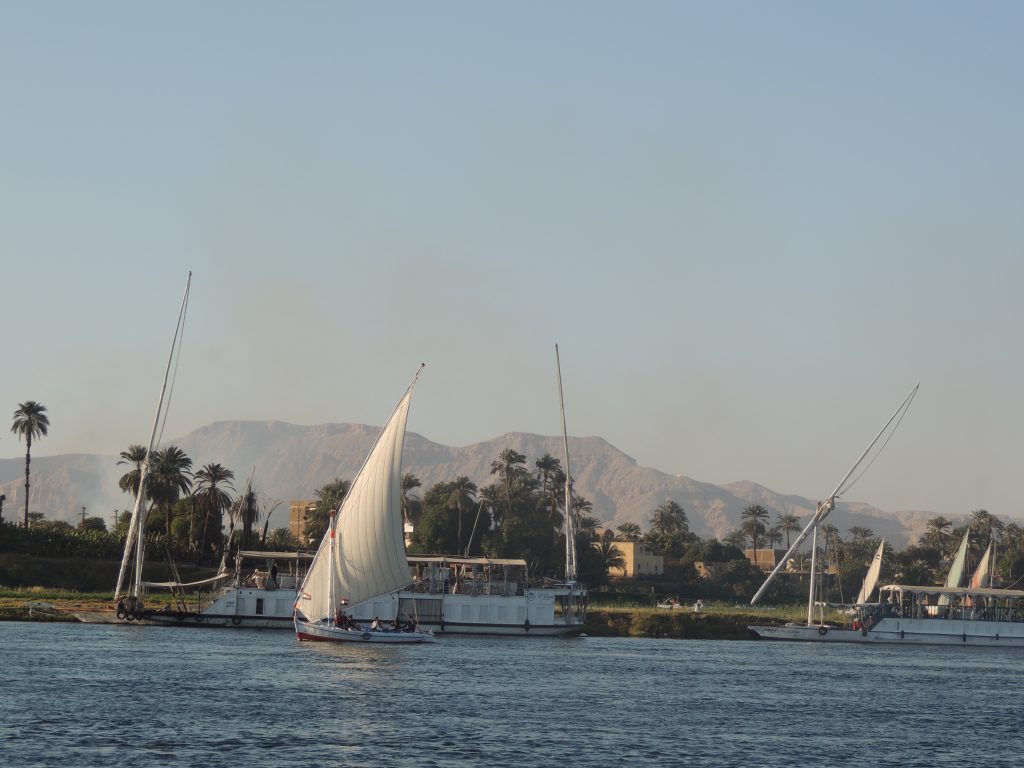
    Traditional Egyptian feluccas sailing on the Nile River near Aswan with palm trees and desert mountains in the background
    Sailing the Nile where desert, river, and life meet.

    Egypt is one of the most fascinating travel destinations in the world, where ancient civilisation, monumental architecture, and living culture exist side by side. Even with limited time, travellers can experience many of the country’s most extraordinary sites.

    If you have six days in Egypt, a carefully planned itinerary allows you to explore the pyramids of Cairo and the legendary temples along the Nile between Aswan and Luxor. The key is combining internal flights with a memorable sailing journey along the Nile.

    This itinerary assumes arrival in Cairo the day before, allowing the journey to begin fresh on Day 1.

    Day 1 – Cairo: The Pyramids of Giza and the Treasures of Egypt

    Your journey begins in Cairo, Egypt’s vibrant capital and gateway to one of the most extraordinary civilisations in history.

    Start the day at the Great Pyramids of Giza, one of the Seven Wonders of the Ancient World. Standing beside these monumental structures offers a powerful connection to the pharaohs who ruled Egypt more than 4,500 years ago.

    Nearby, the Great Sphinx continues to guard the plateau with its timeless gaze.

    In the afternoon, visit the Egyptian Museum (or the Grand Egyptian Museum if open during your visit), home to thousands of artefacts including the famous treasures of Tutankhamun.

    End the day exploring Khan El Khalili Bazaar, where Cairo’s vibrant atmosphere, traditional crafts, and historic cafés offer a memorable introduction to Egyptian culture.

    Day 2 – Flight to Aswan and the Beauty of the Nile

    An early morning flight from Cairo to Aswan (about 1 hour 30 minutes) brings you to one of the most peaceful cities in Egypt.

    Highlights of the day include:

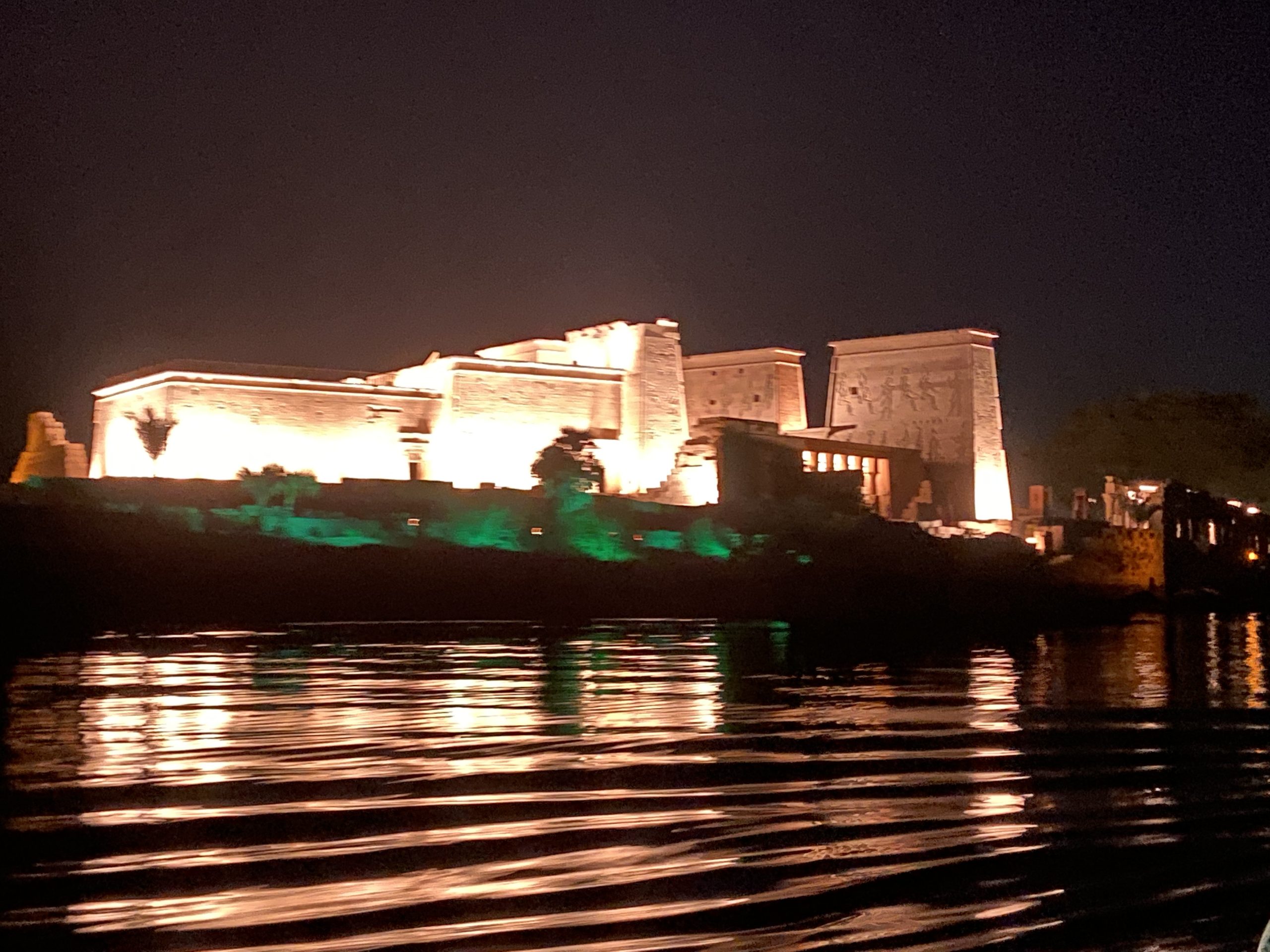
    • The Temple of Philae, dedicated to the goddess Isis and beautifully located on an island in the Nile
    • The Aswan High Dam, a remarkable modern engineering project
    • A traditional felucca sailing experience at sunset around Elephantine Island

    Aswan’s relaxed pace and Nubian culture provide a wonderful contrast to Cairo.

    Day 3 – Abu Simbel: Ramses II’s Monumental Masterpiece

    One of Egypt’s most breathtaking sites awaits today: Abu Simbel.

    Located about 280 km south of Aswan, these colossal temples were built by Pharaoh Ramses II in the 13th century BCE and later relocated in an extraordinary UNESCO rescue project.

    The temples honour:

    • Ramses II himself
    • Queen Nefertari
    • The gods Ra-Horakhty, Amun, and Ptah

    Most travellers depart very early in the morning to avoid the heat and return to Aswan around midday.

    The afternoon can be spent relaxing, visiting a Nubian village, or preparing for the journey north along the Nile.

    Day 4 – Sailing the Nile: Kom Ombo and Edfu

    The journey north from Aswan to Luxor offers the opportunity to explore two remarkable temples along the Nile.

    The first stop is Kom Ombo Temple, uniquely dedicated to two gods:

    • Sobek, the crocodile god
    • Horus the Elder, the falcon god

    Continue to Edfu Temple, one of the best-preserved temples in Egypt. Built during the Ptolemaic period, it is dedicated to Horus and contains some of the finest relief carvings in the country.

    After visiting Edfu, continue your journey along the Nile toward Luxor.

    Day 5 – Luxor: The World’s Greatest Open-Air Museum

    Luxor is often described as the world’s greatest open-air museum, and for good reason.

    On the West Bank of the Nile, visit:

    • The Valley of the Kings, burial place of many pharaohs including Tutankhamun
    • The magnificent Temple of Hatshepsut at Deir el-Bahri
    • The Colossi of Memnon

    In the afternoon, cross to the East Bank to explore:

    • The vast temple complex of Karnak, one of the largest religious sites ever built
    • Luxor Temple, particularly impressive when illuminated in the evening

    Day 6 – Return to Cairo

    Fly from Luxor back to Cairo (about 1 hour).

    Depending on your departure schedule, you may have time to explore:

    • Coptic Cairo and the Hanging Church
    • The Citadel of Salah El-Din and the Mosque of Muhammad Ali
    • Additional museums or a final walk through historic Cairo

    Your Egyptian journey ends with memories of pyramids, temples, and the timeless Nile.

    Experience the Nile by Felucca or Dahabiya

    One of the most memorable parts of this itinerary is the journey along the Nile between Aswan and Luxor. At Egypt Discovering, this section of the trip can be experienced in two different ways depending on your preferred style of travel.

    Felucca Sailing: Authentic Nile Adventure

    For travellers who enjoy nature, simplicity, and a true connection with the river, sailing on a traditional Egyptian feluccaoffers an unforgettable experience.

    Feluccas are traditional wooden sailing boats powered only by wind. Travellers experience peaceful sailing, stops at small villages, swimming in the Nile, and camping on quiet river beaches under the stars.

    This option is ideal for those seeking authenticity, adventure, and a deeper connection with the natural rhythm of the Nile.

    Dahabiya Cruises: Elegant Luxury on the Nile

    For travellers who prefer comfort and elegance, the same journey can be experienced aboard a dahabiya.

    Dahabiyas are beautiful traditional sailing vessels, typically 35–40 metres long, offering spacious cabins, shaded decks, and personalised service. Historically used by Egyptian nobility and nineteenth-century explorers, modern dahabiyas combine traditional sailing charm with contemporary luxury.

    Guests can relax on deck while the landscapes of Upper Egypt unfold slowly along the river.

    Flexible Itinerary and Seasonal Pricing

    This itinerary can be adapted depending on travel preferences and available time. The Nile journey between Aswan and Luxor can be organised by felucca or dahabiya.

    Prices may vary depending on the season, travel demand, and type of vessel chosen.

    At Egypt Discovering, our team will help create the itinerary that best fits your travel style.

    Travel Logistics: Why Flying Saves Time

    Egypt is a large country and distances between major destinations are considerable.

    Approximate distances:

    Cairo → Aswan: 880 km

    Aswan → Abu Simbel: 280 km

    Aswan → Luxor: 220 km

    Domestic flights between Cairo, Aswan, and Luxor make it possible to experience the highlights of Egypt within six days while leaving time to explore the Nile region comfortably.

  • Staying Healthy While Travelling in Egypt

    Staying Healthy While Travelling in Egypt

    Practical Health Tips for European Travellers Exploring the Nile and Beyond

    Travelling to Egypt is an unforgettable experience — from the pyramids of Giza to the temples of Luxor and the peaceful landscapes of the Nile. Like any international journey, a little preparation helps ensure your trip remains comfortable, safe, and enjoyable.

    The good news is that Egypt is generally a safe destination for travellers, and with a few simple precautions, most visitors experience no health problems at all. Understanding local conditions, climate, and food practices allows you to focus on what truly matters: discovering one of the world’s most extraordinary civilisations.

    Drinking Water in Egypt: Smart Hydration Choices

    Hydration is essential, especially in Egypt’s warm climate. The safest recommendation for travellers is to drink bottled or filtered water throughout your trip.

    In many tourist areas such as Luxor and Aswan, tap water quality is often acceptable for washing and brushing teeth, but visitors with sensitive stomachs may still prefer bottled water for drinking. Bottled water is inexpensive and widely available everywhere in Egypt.

    Remember to stay hydrated throughout the day, particularly when visiting archaeological sites under direct sun.

    Enjoying Egyptian Food Safely

    Egyptian cuisine is rich, fresh, and full of flavour. Most travellers can enjoy local dishes without difficulty by following simple guidelines:

    • Choose freshly cooked meals served hot
    • Wash fruits and vegetables before eating them raw
    • Eat at reputable restaurants or places recommended by guides
    • Practise regular hand hygiene

    Traditional Egyptian meals prepared with local ingredients are often highlights of the journey, especially during Nile cruises and cultural experiences.

    Mosquitoes and Insect Protection

    Mosquitoes are present along the Nile, particularly near water and vegetation. However, Egypt is not considered a high-risk malaria destination for typical tourist routes.

    Using a standard insect repellent containing DEET or similar ingredients is usually sufficient protection. Wearing light clothing in the evenings can also help reduce bites.

    If irritation occurs, local pharmacies in Egypt are well stocked and easily accessible. Pharmacists often provide effective creams suited to regional conditions.

    Sun and Heat: Protecting Yourself in the Egyptian Climate

    The Egyptian sun can be intense, particularly during summer months. Preventing heat exhaustion is simple with basic precautions:

    • Drink water frequently
    • Wear sunscreen with high SPF
    • Use a hat and light, breathable clothing
    • Rest in shaded areas during peak afternoon heat

    Planning temple visits early in the morning or later in the afternoon can also improve comfort while sightseeing.

    Preventing Traveller’s Stomach Problems

    Digestive discomfort is one of the most common concerns among international travellers anywhere in the world. In Egypt, risk remains low when visitors follow sensible precautions:

    • Drink bottled or filtered water
    • Avoid undercooked foods
    • Wash hands regularly
    • Carry basic medication recommended by your doctor

    Most travellers complete their trip without any stomach issues, especially when staying on organised journeys with experienced guides.

    Medical Care and Travel Preparation

    Egypt has modern medical facilities in major cities and tourist areas. Pharmacies are widely available and often provide medications without complicated procedures.

    Before travelling, it is advisable to:

    • Arrange travel health insurance
    • Carry any personal medications
    • Note emergency contact numbers
    • Consult your doctor if you have specific medical conditions

    Preparation provides peace of mind and allows you to relax during your journey.

    Travel with Confidence in Egypt

    With reasonable precautions, travelling in Egypt is comfortable and safe for most visitors. Millions of travellers explore the country every year, enjoying its history, landscapes, and hospitality without health concerns.

    At Egypt Discovering, we prioritise guest wellbeing during all Nile journeys, ensuring clean food preparation, comfortable conditions, and attentive local support throughout the experience.

    Egypt offers adventure, culture, and beauty unlike anywhere else in the world. With a little preparation, you can focus entirely on enjoying the journey.